Home / Rubber sheets / Electrical rubber mat
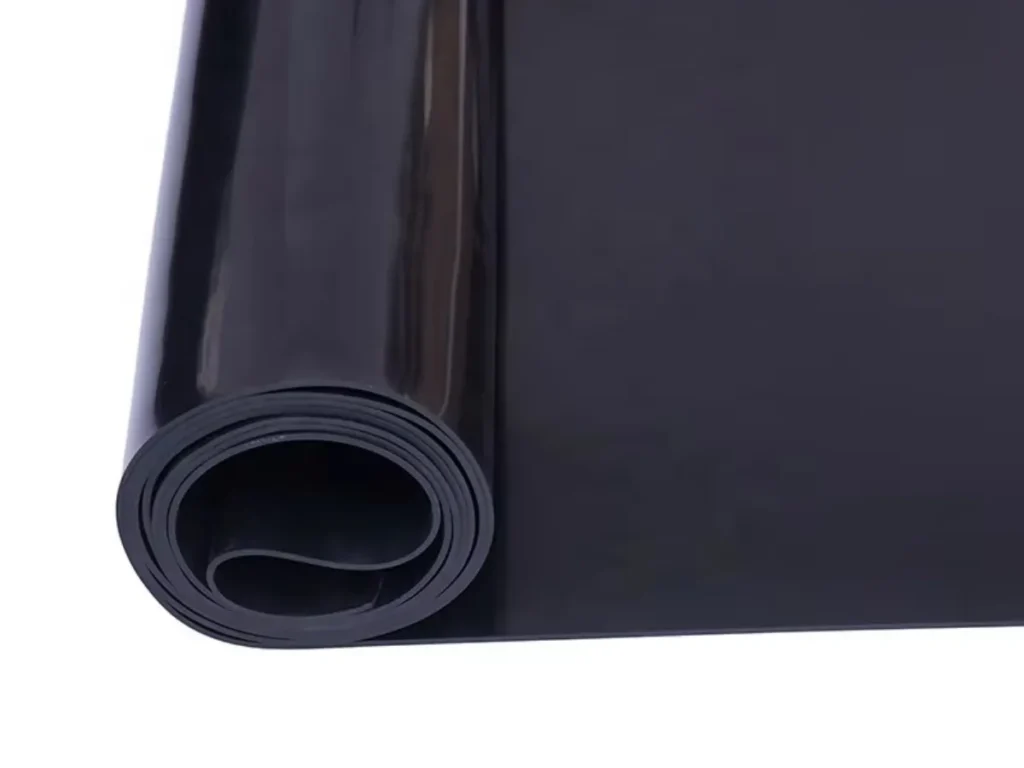
Electrical Rubber Mat for Panels (Insulating Mat) in Pakistan
Certified electrical insulating rubber mat from A.Q TRADERS, tested to IEC 61111, IS 15652 and ASTM D178, in Class 0 to Class 4 for working voltages from 1 kV up to 36 kV. Black, 3 mm to 25 mm thick, in 1.2 m × 10 m (4 × 33 ft) rolls, with a plain, ribbed or anti-slip surface. For the floor in front of electrical panels, switchgear and substations, with delivery to every city in Pakistan.
- IEC 61111 / IS 15652 / ASTM D178
- Class 0 to 4 (1 kV to 36 kV)
- 3 mm to 25 mm
- 1.2 m × 10 m rolls (4 × 33 ft)
- Plain, ribbed or anti-slip
- Test certificate available
What is an electrical rubber mat?
An electrical rubber mat, also called an electrical insulating mat, switchboard mat or panel mat, is a tested rubber mat laid on the floor in front of electrical panels and switchgear. It puts a layer of insulation between the person working and the ground, which reduces the risk of electric shock if they touch a live part. Unlike ordinary rubber sheet, a proper rubber mat for electrical panels is made and tested to a standard and rated for a maximum working voltage, so you can choose the right class for your system.
Certified electrical rubber mats are available in Pakistan from A.Q TRADERS in Karachi. We manufacture and import our rubber products ourselves, so there are no middlemen: you get tested, high-quality mats at competitive rates, from a single panel length to full rolls for a project.
Why use a certified electrical rubber mat
- Tested insulation: made and tested to IEC 61111, IS 15652 and ASTM D178, with a test certificate available for your order.
- The right class for your voltage: Class 0 to Class 4, for maximum working voltages from 1 kV up to 36 kV.
- Grip underfoot: ribbed and anti-slip surfaces help stop slips in panel rooms, substations and dusty or damp areas.
- Strong and long-lasting: minimum tensile strength of 15 MPa, so it resists tearing and daily foot traffic.
- Meets site and audit requirements: helps factories, utilities and contractors meet electrical safety and inspection requirements.
- Cut to your panel: sold as full rolls or cut to the length of your panel line.
Electrical rubber mat specifications
| Specification | Details |
|---|---|
| Product | Electrical insulating rubber mat |
| Standards | IEC 61111, IS 15652 and ASTM D178 |
| Voltage classes | Class 0 (1 kV), Class 1 (7.5 kV), Class 2 (17 kV), Class 3 (26.5 kV) and Class 4 (36 kV) maximum working voltage |
| Colour | Black |
| Surface | Plain, ribbed or anti-slip |
| Thickness | 3, 4, 5, 6, 8, 10, 12, 15, 20 and 25 mm |
| Roll size | 1.2 m × 10 m (4 × 33 ft) |
| Coverage per roll | 12 m² (about 130 sq ft) |
| Tensile strength | Minimum 15 MPa |
| Test certificate | Available on request |
| Sold as | Full roll, by the metre or foot, or cut to your panel length |
Which voltage class do you need?
| Class | Maximum working voltage | Typical use |
|---|---|---|
| Class 0 | 1 kV | Low voltage panels, distribution boards, MCC and control panels (230 V and 400 V). |
| Class 1 | 7.5 kV | Medium voltage panels and motors on 3.3 kV and 6.6 kV systems. |
| Class 2 | 17 kV | 11 kV switchgear, ring main units and distribution substations. |
| Class 3 | 26.5 kV | Switchgear and equipment on systems up to about 22 kV. |
| Class 4 | 36 kV | 33 kV switchgear, grid stations and power plants. |
Always choose a class whose maximum working voltage is higher than your system voltage. The class sets the mat thickness, so tell us your system voltage and we will confirm the right class and thickness, with its test certificate.
Plain, ribbed or anti-slip surface?
- Plain: a smooth surface that is easy to clean, for dry indoor panel rooms and control rooms.
- Ribbed: fine ribs along the length give better grip, the common choice in front of switchgear and panel lines.
- Anti-slip: a textured surface for the most grip, in substations, plant rooms and areas that get dusty or damp.
Where electrical rubber mats are used
Factories, utilities, panel builders and electrical contractors across Pakistan use them in:
Electrical panels and DBs
In front of LT panels, distribution boards, MCC and PCC panels.
Switchgear and substations
Along 11 kV and 33 kV switchgear, ring main units and substation panels.
Factories and plant rooms
Electrical rooms, motor control centres and plant rooms in factories.
Power plants and grid stations
Control rooms, switchyards and panel rooms in power generation.
Generator and UPS rooms
In front of generator control panels, UPS systems and battery banks.
Buildings and data centres
Electrical rooms in commercial buildings, hospitals and data centres.
Electrical rubber mat price in Pakistan
As the manufacturer and importer, we sell electrical rubber mats at competitive rates. Rates depend on the voltage class, thickness, surface, the quantity and current raw material costs. We can quote per roll, per metre or per foot, or for the exact length of your panel line. Send us your system voltage, the length you need and the quantity on WhatsApp, and we’ll reply with today’s rate and the delivery cost to your city.
Electrical rubber mat questions
What is the price of electrical rubber mat in Pakistan?
It depends on the voltage class, thickness, surface and quantity. We quote per roll, per metre or foot, or for your panel length. Send us your system voltage and the length you need on WhatsApp and we’ll give you today’s rate.
Which rubber mat do I need for an 11 kV or 400 V panel?
For low voltage panels (230 V and 400 V), Class 0 (1 kV) is suitable. For 11 kV switchgear, use Class 2 (17 kV). For 33 kV, use Class 4 (36 kV). Always choose a class rated above your system voltage, and tell us the voltage so we can confirm.
Is your electrical rubber mat certified?
Yes. Our electrical insulating mats are tested to IEC 61111, IS 15652 and ASTM D178. Ask us for the test certificate with your order.
Can I use ordinary rubber sheet as an electrical mat?
No. Ordinary rubber sheet is not tested or rated for voltage, so you cannot rely on it for protection. Use a certified electrical insulating mat of the right class in front of electrical panels and switchgear.
What thickness of electrical rubber mat do I need?
The thickness follows the voltage class: higher classes are thicker. Tell us your system voltage and we will supply the correct class and thickness, marked and with its test certificate.
Plain, ribbed or anti-slip: which surface should I choose?
Plain is easiest to clean and suits dry indoor panel rooms. Ribbed gives better grip and is the most common choice in front of panels. Anti-slip gives the most grip for substations and areas that get dusty or damp.
Does a rubber mat make it safe to work on live panels?
No. An insulating mat is an extra layer of protection, not a replacement for safe working practice. Isolate equipment wherever possible, and use insulated gloves, tools and other safety equipment as your site rules require.
How do I look after an electrical rubber mat?
Keep it clean and dry, and keep oil, chemicals and sharp objects off it. Check it regularly for cuts, cracks, holes or worn areas, and replace it if it is damaged. Follow your site rules for periodic inspection and testing.
Can you cut the mat to my panel length?
Yes. We sell electrical rubber mats as full 1.2 m × 10 m rolls, or cut to the length of your panel line. There is no minimum order.
Do you deliver electrical rubber mats outside Karachi?
Yes. We deliver to every city in Pakistan. Most orders reach Lahore and Islamabad in 2 to 3 days.